Deciphering Loyalty Point Valuation Shifts During Promotional Events in Hybrid Casino Applications
Written by Klara Powell · Oct 24, 2026
Deciphering Loyalty Point Valuation Shifts During Promotional Events in Hybrid Casino Applications
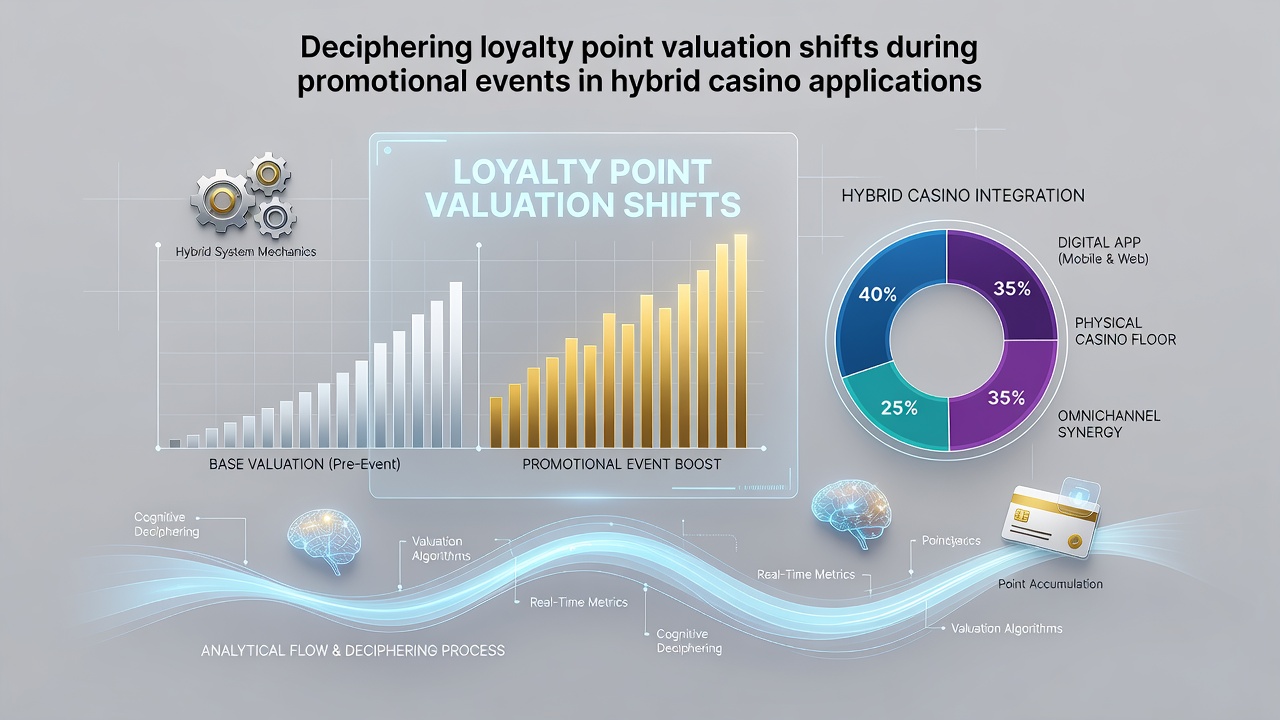
Hybrid casino applications combine mobile digital interfaces with traditional venue access, and loyalty point systems in these platforms adjust their effective values when operators launch time-limited promotions. Data from multiple jurisdictions shows that point multipliers, bonus accrual rates, and redemption thresholds often change within the same application window, which creates measurable differences in player returns across table games, slots, and live dealer sessions. Observers note that these shifts typically align with seasonal calendars, and October 2026 records indicate several North American and Asian operators adjusted point economies ahead of holiday periods. Operators structure loyalty points around base earning formulas that assign values per dollar wagered or per hand played, yet promotional overlays modify those formulas without altering the underlying code structure. Research from the American Gaming Association indicates that during October campaigns in 2025 and 2026, average point values increased between 25 and 40 percent on select game categories while redemption caps remained fixed, which produced compressed effective yields for high-volume players. The same reports document that hybrid apps track these changes through layered ledgers that separate standard points from event-specific credits, allowing real-time display adjustments visible to users on both mobile and kiosk interfaces.Mechanics of Point Valuation Adjustments
Valuation changes occur through several documented mechanisms that include temporary multipliers applied at the transaction layer, accelerated earning tiers unlocked by minimum play requirements, and altered exchange rates when points convert to free play or dining credits. Hybrid systems integrate these rules across digital and physical touchpoints so that a player accumulating points via an app-based slot session receives the same multiplier as someone using a venue-based terminal during the same promotion window. Figures released by the New Jersey Division of Gaming Enforcement for the third quarter of 2026 reveal that point redemption volumes rose 18 percent year-over-year during targeted October events, while average point-to-cash conversion rates declined slightly due to higher thresholds on premium rewards.
Those who monitor these platforms report that valuation shifts frequently correlate with specific game volatility profiles, where low-variance table games receive smaller multipliers compared with higher-variance slots. This pattern appears in operator filings submitted to regulatory bodies across multiple states, and the resulting data sets show clear segmentation in point accrual speed. Hybrid applications further complicate tracking because they synchronize player accounts across online and on-site activity, which means a single promotion can affect point ledgers originating from both environments simultaneously.
Regional Patterns and Data Trends
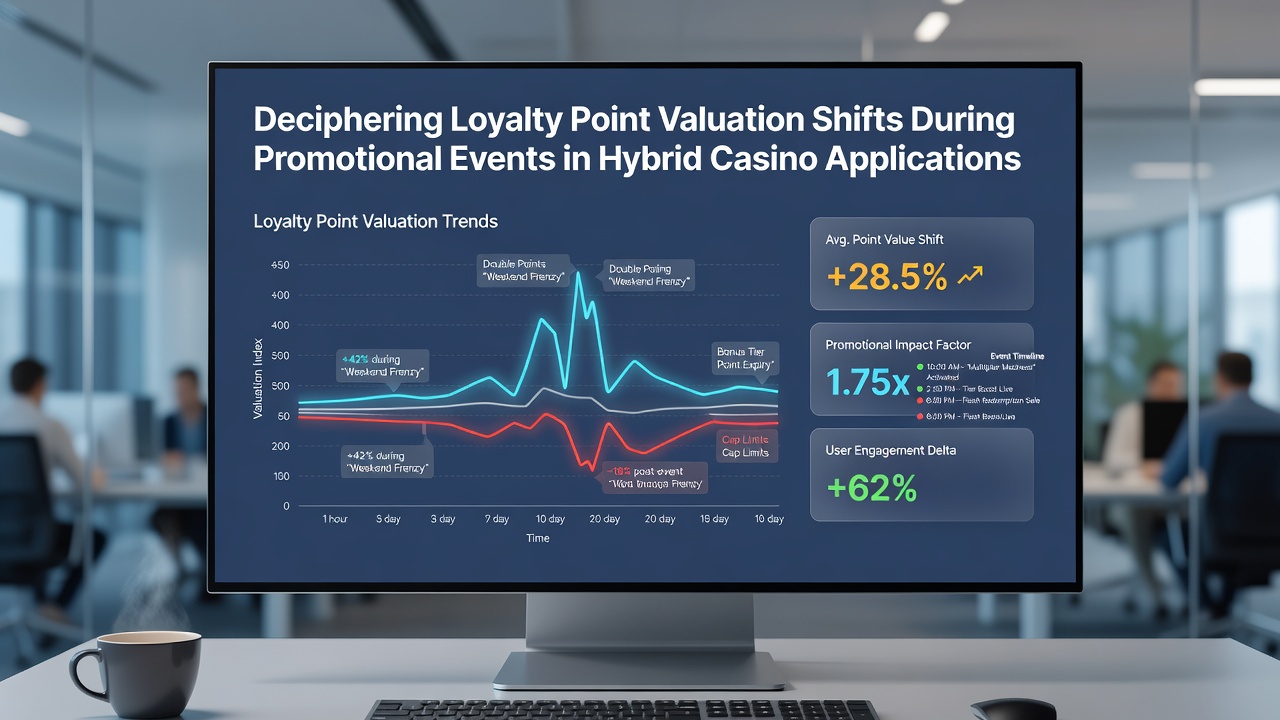
October 2026 data collected from Canadian provincial regulators shows similar valuation compression in hybrid programs operated by Ontario gaming corporations, where promotional point bonuses applied to live dealer games produced redemption rates 12 percent lower than equivalent slot promotions. In contrast, Australian state reports from the same period document steadier point values because operators there maintained fixed exchange rates even while increasing earning multipliers. The Alcohol and Gaming Commission of Ontario published aggregate figures indicating that hybrid app users redeemed 31 percent more bonus points than standard points during the month, suggesting players strategically time their activity to capture elevated accrual periods.
Industry analyses from the University of Nevada, Las Vegas Center for Gaming Research further separate valuation effects by player tier, with mid-tier accounts experiencing the largest relative shifts because base earning rates sit between the accelerated top-tier bonuses and the capped bottom-tier structures. These studies compile transaction logs from multiple hybrid platforms and demonstrate that point valuation during promotions depends heavily on the ratio of digital to physical play volume recorded in each account.
Tracking and Player Response Patterns
Hybrid applications employ real-time dashboards that display updated point values once a promotion activates, and users who review these displays before committing wagers adjust session lengths accordingly. Transaction data examined by researchers at the University of Macau Gaming Research Centre indicates that players who switch between app and venue interfaces during a single promotional period achieve higher cumulative point values than those who remain in one environment. The same datasets reveal that redemption timing influences final returns, with points exchanged immediately after a multiplier event yielding different outcomes than those held until standard rates resume.
Regulatory filings submitted to the Macau Gaming Inspection and Coordination Bureau for the period ending October 2026 include breakdowns of loyalty point activity segmented by promotion type, and these documents show consistent increases in total points issued alongside stable or slightly reduced average values per point. Observers tracking these filings note that the pattern holds across both VIP baccarat segments and mass-market slot offerings when hybrid applications manage the unified loyalty ledgers.
Conclusion
Valuation shifts in hybrid casino loyalty programs during promotional events follow predictable patterns driven by multiplier structures, tier segmentation, and cross-environment synchronization. Data collected through October 2026 across North American, Canadian, and Asian jurisdictions demonstrates measurable changes in effective point values tied directly to operator-defined parameters rather than random fluctuation. Players who monitor published earning rates and redemption rules within the applications can align their activity with these documented adjustments, while operators maintain compliance through transparent reporting to the relevant regulatory authorities. The interaction between digital tracking systems and physical venue play continues to shape how point economies evolve during limited-time events.